




Greating packaging solutions that meet every need while caring for the planet sustainably
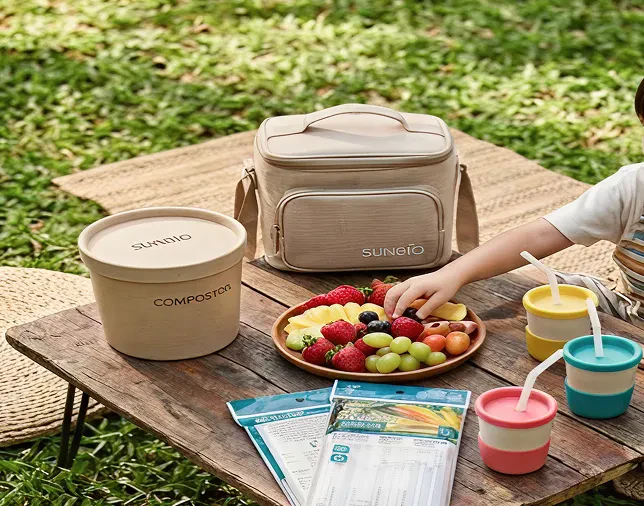
The development of these eco-friendly products reflects Thantawan Industry Co., Ltd.’s commitment to creating packaging solutions that balance performance, market demands, and environmental responsibility. Through this approach, we continue moving toward a more sustainable future for the packaging industry.
Our products comply with international standards for biodegradable packaging.
Complying with EN13432, ASTM D6400, ISO 14855, and JIS K 6953 standards, and certified by DIN CERTCO (Germany), the Seedling logo, and the Biodegradable Products Institute (BPI), our products are assured to be fully biodegradable under appropriate conditions. The product range also includes convenient single-use options that deliver performance comparable to traditional plastics while offering a more environmentally friendly solution.

Zip Bags

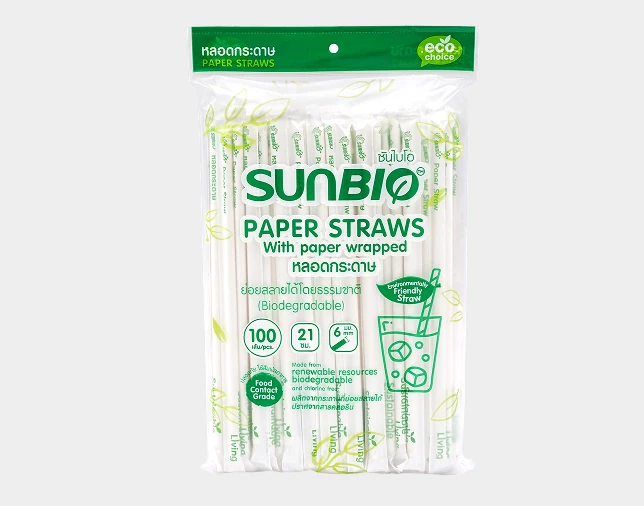
Plastic Straws
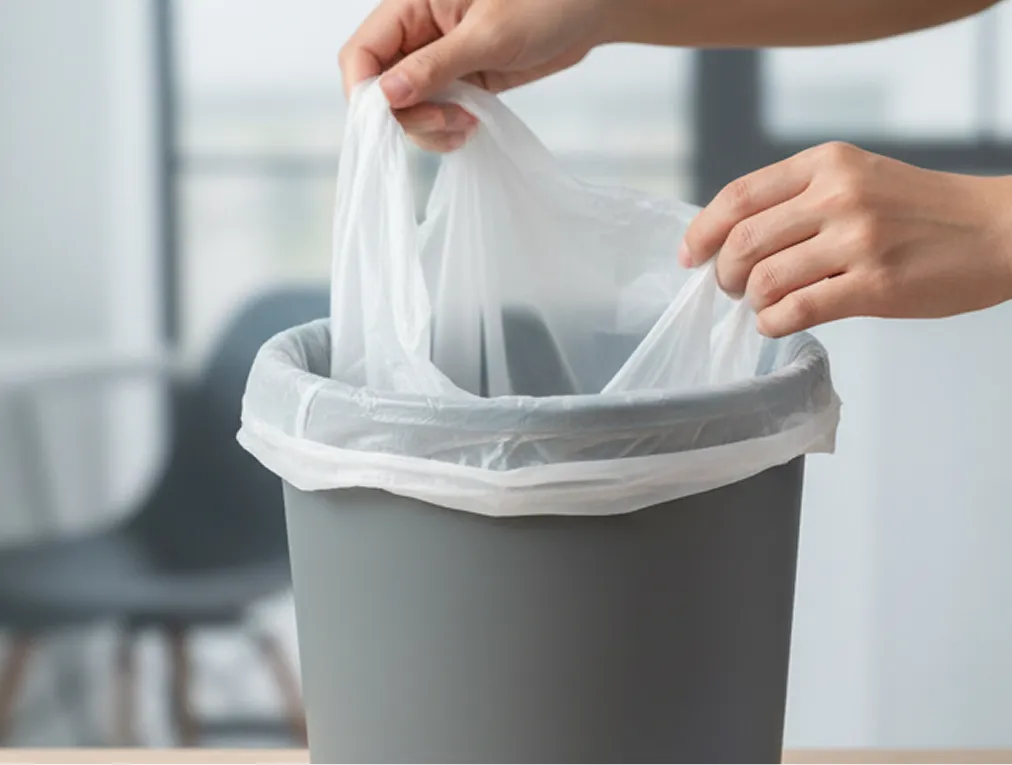
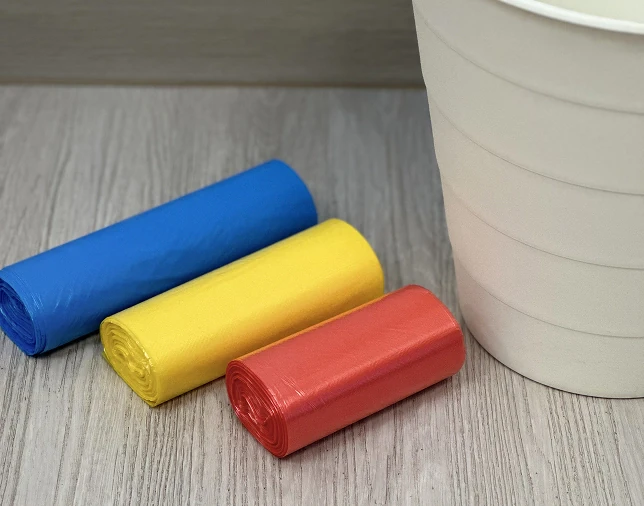
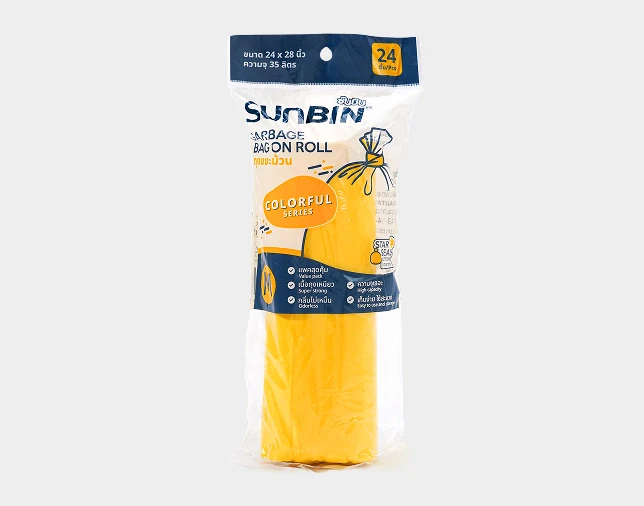
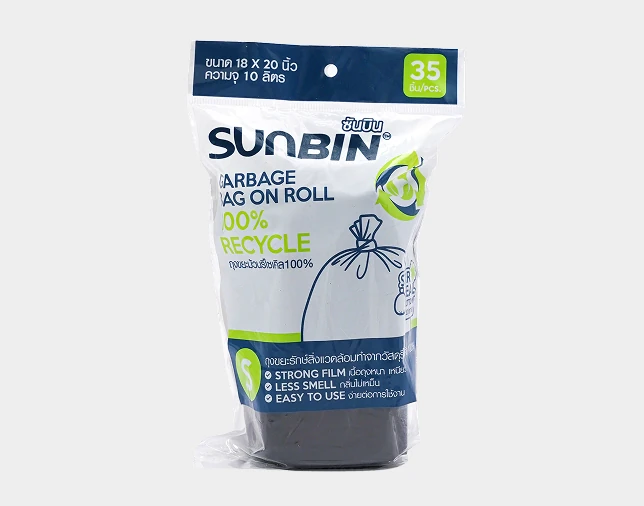
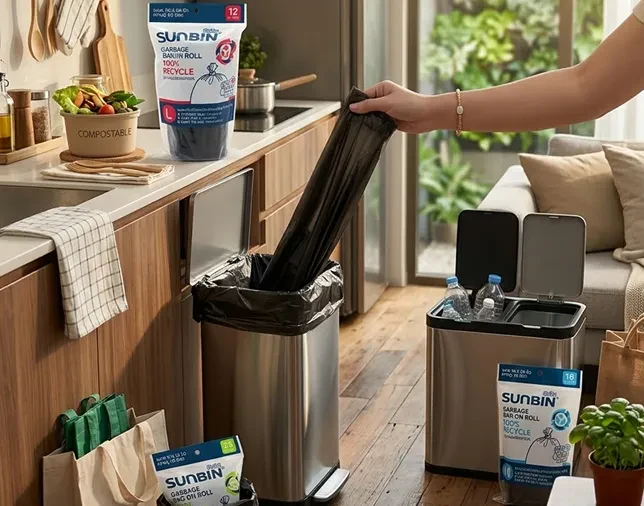
Garbage Bags

Gloves
Our Eco-Friendly Products
Bioplastics
Bioplastics are a type of plastic material produced from bio-based raw materials derived from renewable resources such as sugarcane, cassava, and corn. These plant-based resources can be naturally replenished through cultivation.
Plant-based raw materials are processed through industrial manufacturing methods to produce bioplastics, which can be used to manufacture packaging and plastic products similarly to conventional plastics.



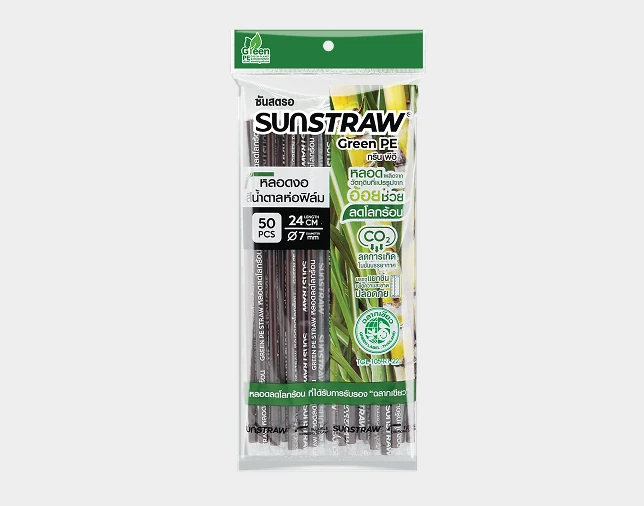
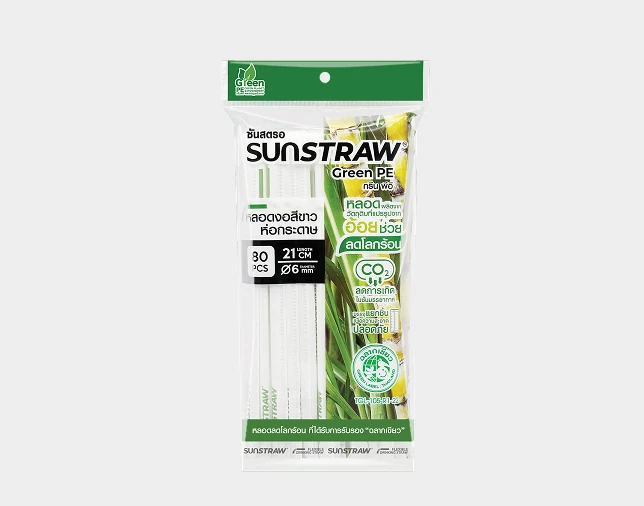
PIR and PCR (Post-Industrial Recycled Plastic / Post-Consumer Recycled Plastic)
PIR and PCR are recycled plastic materials that are reintroduced into the production cycle through recycling processes, allowing them to be reused as new raw materials. These materials are classified into two categories:
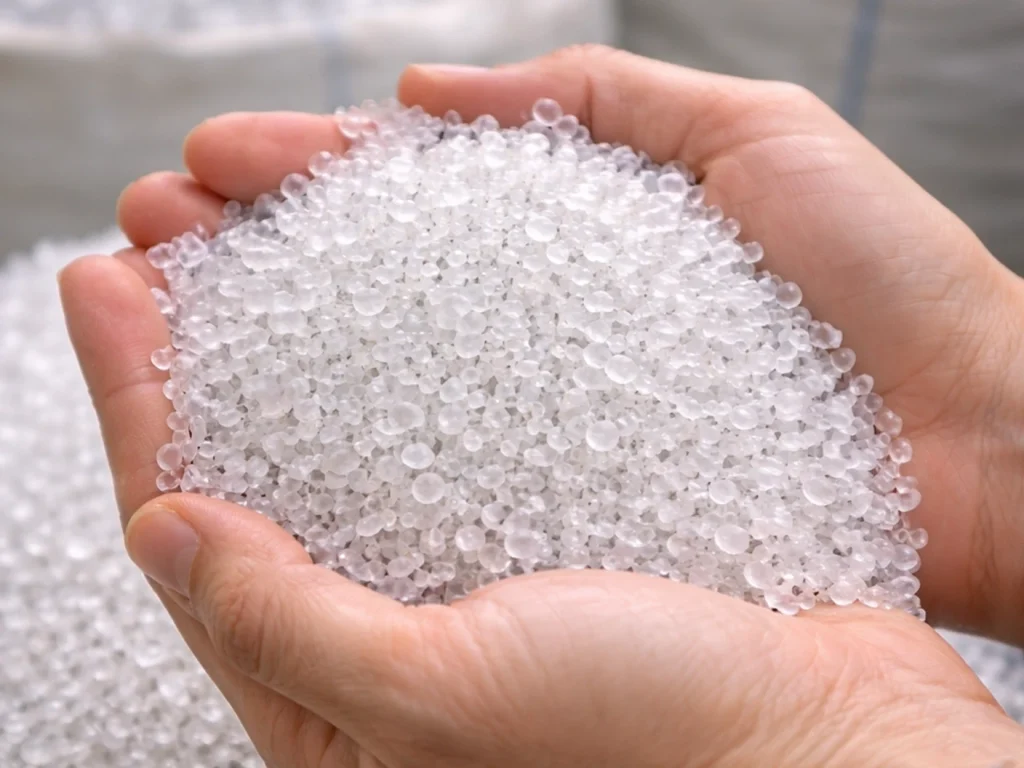
PIR (Post-Industrial Recycled)
Materials recovered from waste generated during industrial manufacturing processes.
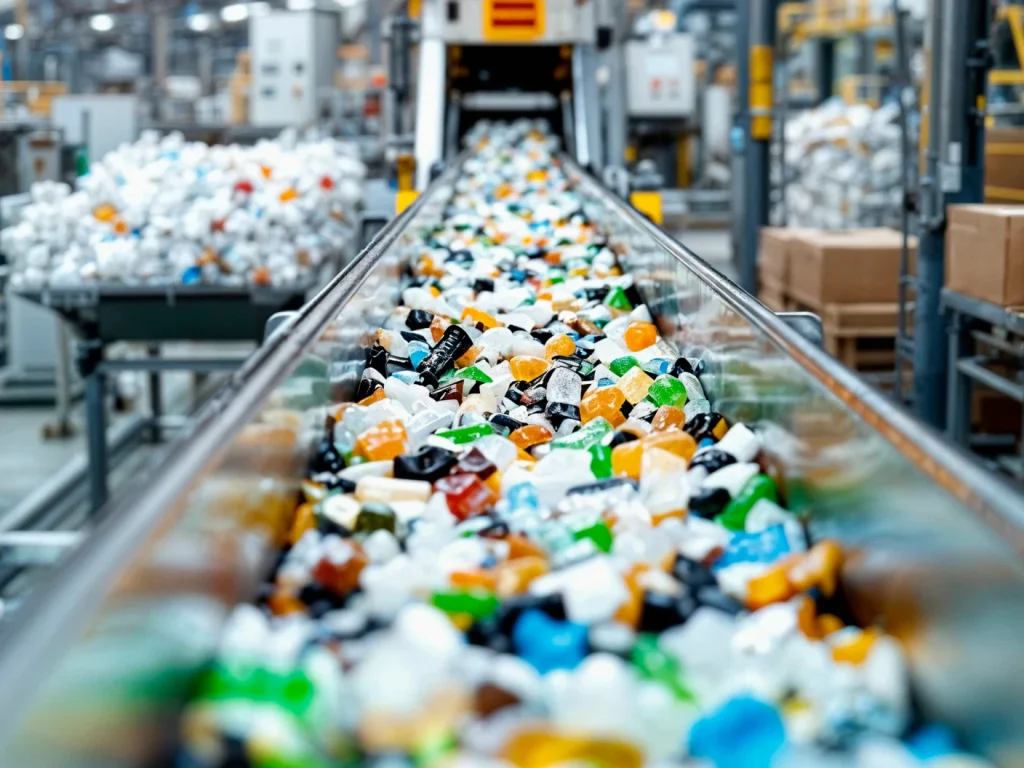
PCR (Post-Consumer Recycled)
Materials derived from plastic products that have been used and discarded by consumers.

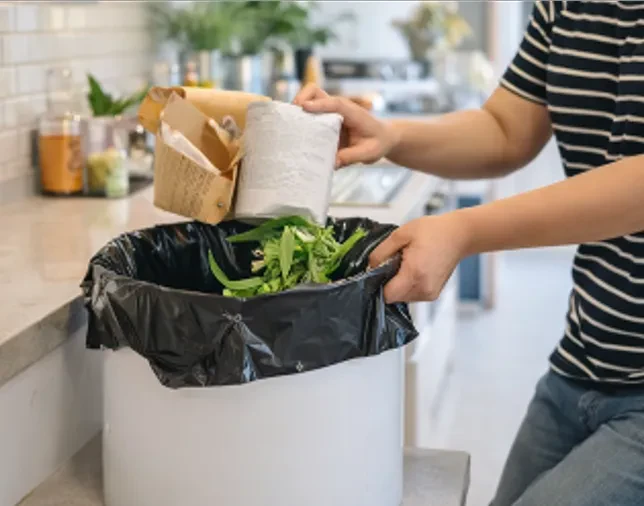

Biodegradable under composting conditions
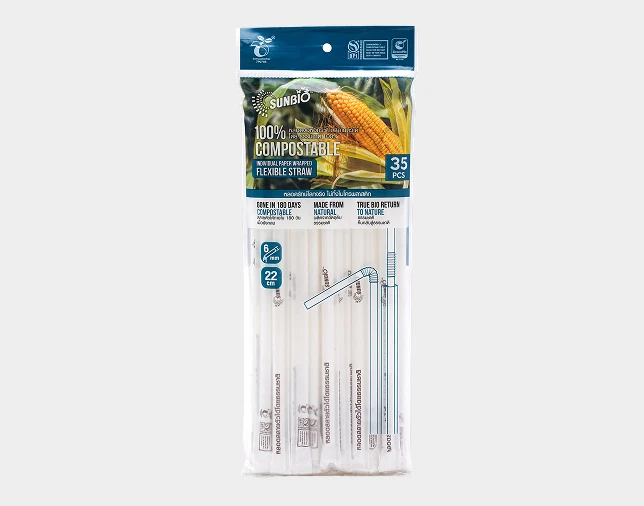
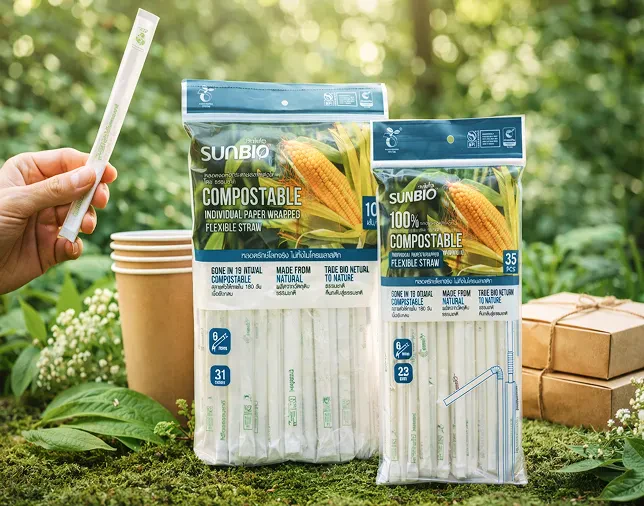
Compostable packaging is made from bio-based materials that can naturally decompose under suitable composting conditions such as proper humidity, temperature, and microbial activity.
During the decomposition process, the material is converted into water (H₂O), carbon dioxide (CO₂), and biomass, leaving no microplastics or harmful substances in the environment.